What is loneliness? How can we define it? (Loneliness Part I)

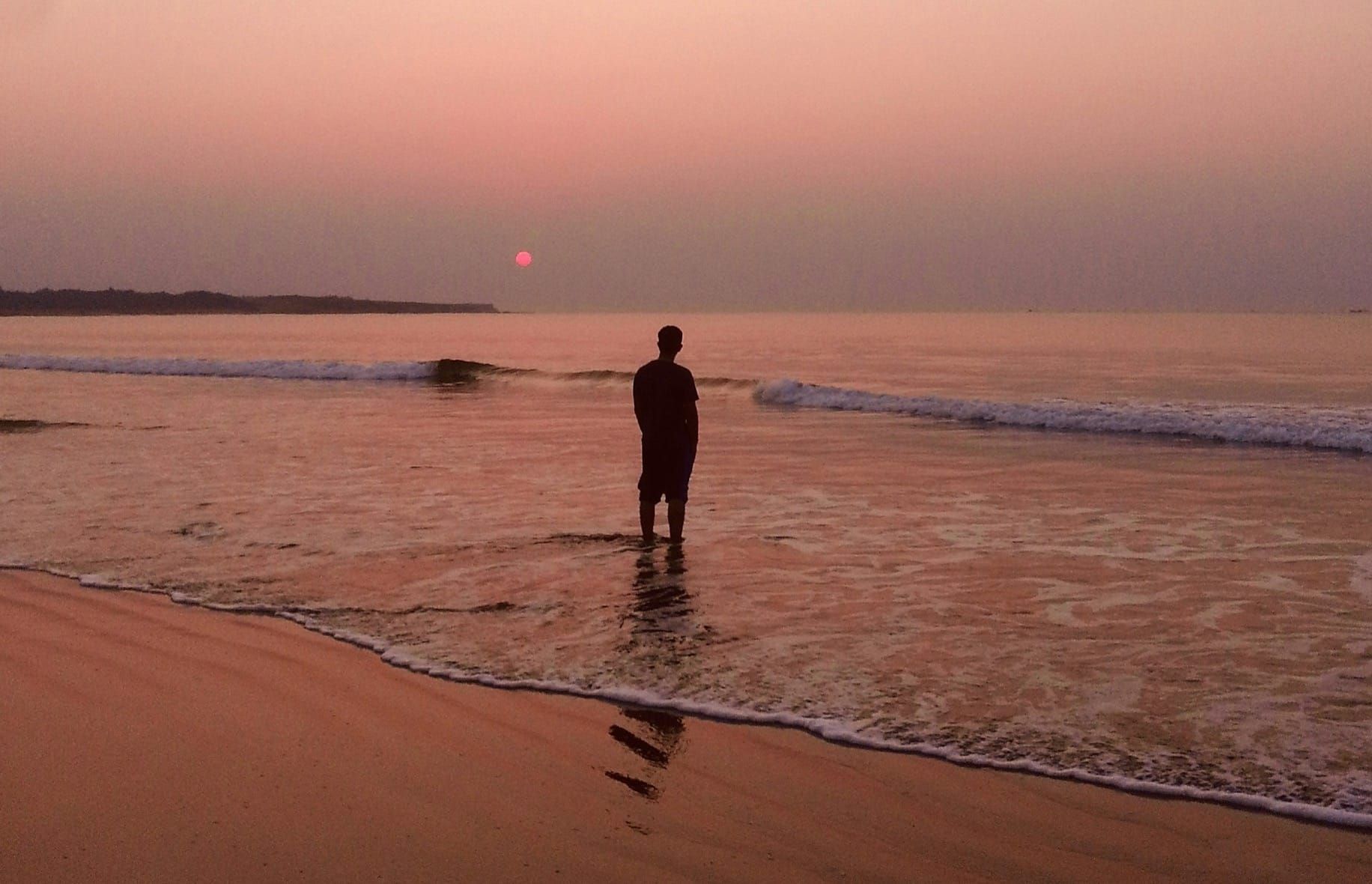
We all feel disconnected at some point in our lives. Whether that be with ourselves, with nature, with the humans around us, or with a general purpose. The ironic struggle of the modern age is that we’re “exposed” to everything and everyone more than ever, via our technology, yet we feel evermore lonely. This common feeling of disconnection has led to a “loneliness epidemic” and a society craving connection. I definitely fall into this category. I often feel very lonely, and I’m quite perplexed at how often this feeling pops up. Not only do I have trouble defining my loneliness, but I also have a hard time putting a thumb on whatever’s fueling the damn thing.
So, I decided to write a series on loneliness. This is part 1, where I’m going to explore how one might define loneliness. In the following sections, I’ll explore some potential core drivers behind loneliness. In the final section, I’ll explore some of the hidden benefits behind loneliness, why we should stop feeling bad about the feeling, and how to potentially decrease its regularity.
Without further ado, let’s dive into the spooky vortex of loneliness.
A Direct Definition
To start things off, here’s how I would define loneliness:
Loneliness is the feeling that your connections fall short of the depth and closeness you desire.
This is the clearest and most concise way I’ve been able to define loneliness. Yet, the feeling is often better captured using more indirect language. I believe that’s because loneliness is fueled by many different sources.
For example, one of the main sources I find myself attributing loneliness to is:
The feeling of not being understood by anyone
This was a description given by Simon Sinek, in a Diary of A CEO podcast, for his own feelings of loneliness. And I suspect many of us would greatly resonate with this description, but it still only captures one aspect of the emotion.
To try and get a better grasp on the subject, I posted a question on my instagram story asking “How would you describe the feeling of being lonely?”, and I got some pretty interesting answers. I found most of them generally fit into two categories:
Loneliness caused by
- Avoiding peace
- Comparison
Below I’ve listed some of these descriptions, in addition to my interpretation of each.
Avoiding Peace
Description #1:
Unwanted peace
This is one of my favourites, because it’s so short and concise. I consistently get to a point in my day where there’s finally some stillness, some peace, yet I have this compulsion to run away from it.
I have this instinct to fill peaceful moments with “productive” tasks, chaos, or some stimuli. I’ve found that relaxing into these states can be extremely difficult. It appears to be a common modern issue, and it definitely contributes to our feelings of loneliness.
Descriptions #2 & #3:
Discomfort being alone
An existential emptiness
I believe descriptions 2 & 3 to be a subset of the first description. Both of them stem from a struggle to connect with oneself.
If you are uncomfortable being alone, you might fear the necessary, yet arduous, task of processing unresolved grief or trauma. Or perhaps you fear working on projects or planning into the future, because you fear commitment, failure, or rejection.
Additionally, the feeling of emptiness can be petrifying, as if it defies some unspoken rule that every experience should reduce into some nugget of meaning or exactitude. This is why, for millennia, philosophers have continually preached the practice of accepting the unknown. Even quantum mechanics doesn’t comply with exactitude, so how can we expect our psyche to?
Comparison
Description #4
The guilt associated with feeling like you’re not fulfilling your social potential or not experiencing enough.
This is essentially just FOMO. It’s a fear of missing out on what we feel we should be doing, which is an expectation. Therefore, it’s a fear of falling short of an expectation.
Description #5
Feeling like the world is moving faster than you are, like you’re behind.
This one plays into the previous description, rather than comparing our expectations with our reality, we are comparing our reality with that of the entire world.
Description #6
A yearning/longing for something you never had or that you used to have. Whether that be physical touch, emotional intimacy, community, a sense of home, or purpose.
This is a comparison between your current reality and your past, or with an idealistic fantasy (of the future or what could’ve been).
Alone vs. Lonely
Being alone is a fact, being lonely is a feeling.
Being alone is essential to self-discovery and getting a lot of things done. I do my best work in solitude: less distraction and more flow. Additionally, the most peaceful moments in my day come while I’m alone. It’s as if the presence of another human disturbs my brain’s capacity to completely relax.
Contrarily, being lonely is typically a feeling of dissatisfaction towards being alone. It can also manifest itself when there is a dissonance between the actuality of being around people, yet feeling like you’re alone.
What Are the Core Contributors?
The variable descriptions of loneliness given above are my attempt at encapsulating loneliness through a variety of lenses. From this subjective exploration, one component seems to prevail: feeling disconnected.
Regardless of the number of people around you, the magnitude of your purpose, or the affluence of your lifestyle, if you feel significantly disconnected, loneliness will inevitably resurface.
The way I perceive it, there are 3 spheres of life we can connect to:
- Ourselves
- Others
- Nature/environment around us
*** I’ve thought about having a fourth one being purpose, or spirituality/religion, but I believe all of these overlap with the 3 spheres listed above.
To better understand the roots of my own loneliness, and the chronic loneliness spreading through society, the next 3 parts of this series will examine what factors undermine connection in the 3 life spheres listed above.
I will be attempting to answer the following questions:
- Why are we disconnected from ourselves?
- Why are we disconnected from others?
- Why are we disconnected from nature and our environment?
I hope you enjoyed the read and found something interesting. If there’s anything in particular that resonated with you, or that you feel is missing, please feel free to comment down below. Constructive criticism is always welcome :).
Commenting requires you to subscribe to this webpage. It’s free, so don’t be shy. If you prefer not getting email notifications, click “unsubscribe” in your email inbox.